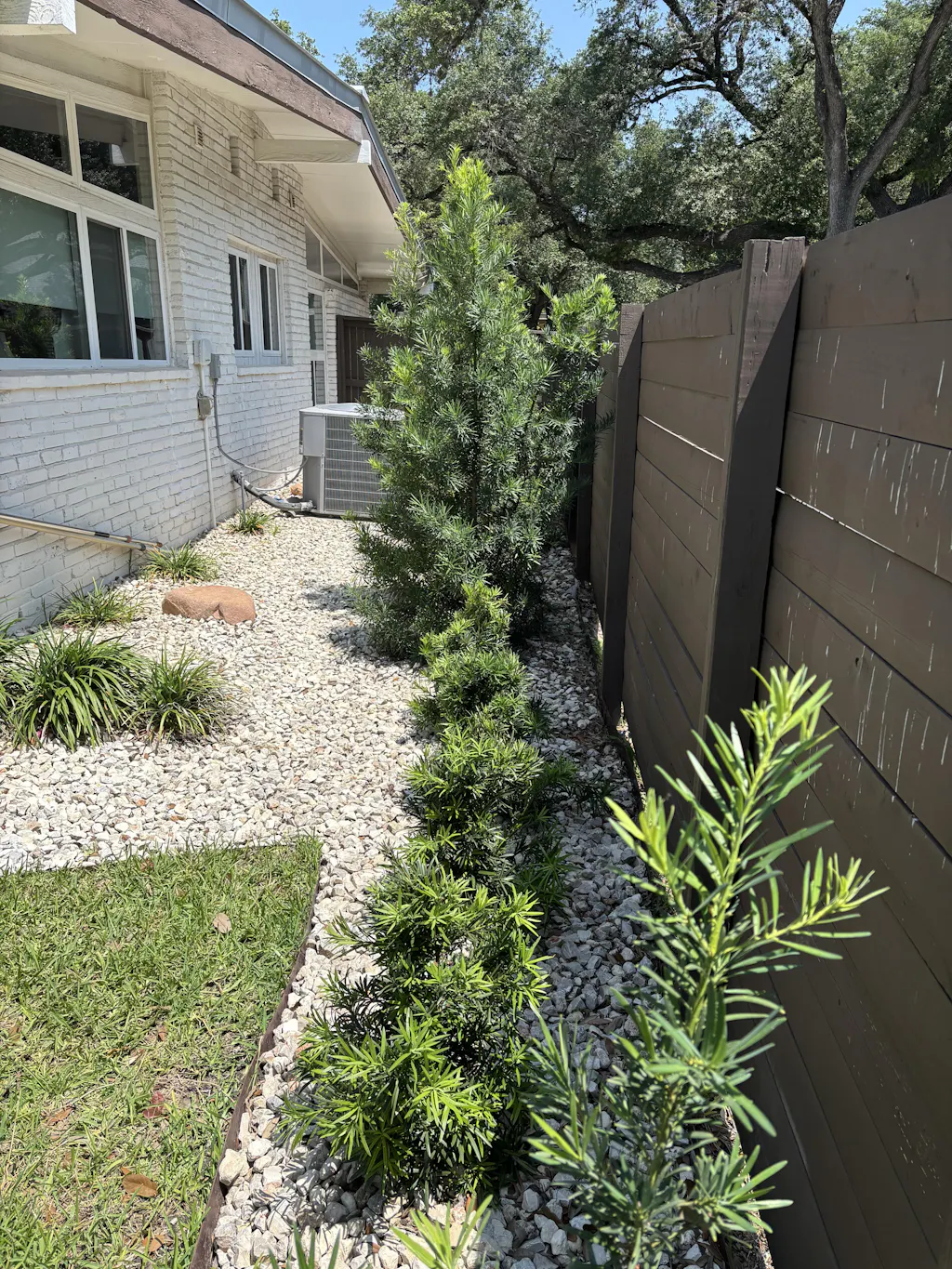
Japanese Yew
Shipping & Returns
Shipping live plants sometimes has its challenges when dealing with inclement weather but we strive to have every single order shipped out on their scheduled shipping date. Most orders will be scheduled to ship within 1-2 weeks of ordering. Because a plant needs TLC we only ship out on Mondays-Wednesdays to ensure the plants aren’t stationed somewhere over the weekend with no water or sunlight.
A unique choice for anyone looking for a large evergreen shrub, the Japanese Yew Podocarpus, though it grows somewhat slowly, will eventually reach its maximum size of 4-6 feet tall and 6-8 feet wide when trimmed, even larger when untrimmed. Perfectly suited for use in foundation planting, the deep green, needle-shaped foliage is organized onto dense, irregularly-shaped branches that form themselves into an overall vase shape that adds an elegance to the outside of your home that you won’t get with other types of evergreen shrubs. Give this amazing plant full sun, regular watering and trimming to keep it just the size you need it to be and your Japanese Yew will be sure to flourish and grow to its full potential. Not only does this lovely shrub look nice in the Summer, in the Winter bright red fruits grow as well giving it a Holiday look you won’t easily find for your landscape.
The Podocarpus Jap Yew requires bright indirect light, soil that’s kept moist and fertilizer every few weeks when it’s actively growing in the Spring and Summer months for it to grow and look its best.
General Care Instructions
- Watering: Water deeply after planting. Continue regular watering for the first growing season.
- Mulching: Apply 2-4 inches of mulch around the base, keeping it away from the trunk.
- Pruning: Prune during dormant season to maintain shape and remove dead branches.
- Fertilizing: Apply balanced fertilizer in early spring for optimal growth.
Shipping Information
- Processing Time: We only ship out on Mondays-Wednesdays to ensure the plants aren't stationed somewhere over the weekend with no water or sunlight.
- Shipping Season: We ship year-round to most zones, weather permitting
- Packaging: Plants are carefully packaged to ensure safe arrival
- Free Shipping: Orders over $125 qualify for free standard shipping
Questions & Answers
Have a Question?
-
I have a yew bush that suddenly started to turn brown Is it ready to die?
The Japanese Yew will turn brown after a harsh cold front or lack of water. This is an indicator that the Yew needs help quickly before it dies.
-
Which light does the Yew require, full sun or bright indirect light?
Japanese yews prefer full sun to partial shade.
-
What hedge shrub do you recommend for zone 10b?
Consider Podocarpus, dwarf boxwood, or Indian hawthorn for Zone 10b hedges.
-
Can a Japanese yew be planted in a large planter
Yes, Japanese yews can thrive in large planters with good drainage.
-
We had a harsh freeze. My yews were doing ok after but now months later are turning brow. We have also had an abundance of rain...20” in the month of May and this is in south Texas. Are mine dying?
Your Japanese yews may be stressed from freeze damage and waterlogged roots. Check for root rot and improve drainage.
-
Can this (1 gallon) Japanese Yew live in a large (5-7 gallon) pot?
Yes, a 1-gallon Japanese yew can be planted in a 5-7 gallon pot as it allows room for growth.
-
When is the best time to plant Japanese yew in Louisiana??
Plant Japanese yews in fall or early spring for the best establishment in Louisiana.
-
My yew has greenish yellow leaves, what should I do? What type of fertilizer do I need?
Check for overwatering, root issues, or nutrient deficiencies. Adjust watering and fertilize appropriately.
Use a balanced, slow-release fertilizer, such as 10-10-10 or one formulated for evergreens.
-
What zone is Japanese Yew and can it be grown in a container on a terrace on the 14th floor.
Japanese yews are hardy in Zones 4-7. They can be grown in containers on terraces with proper care and protection from extreme weather.
-
How tall and wide does this yew get?
Japanese Yew (Taxus cuspidata) typically grows 10–40 ft tall and 5–20 ft wide, depending on variety and pruning.
-
I’m interested in your Japanese Yew tree in a 7 gallon container (for $78.62). I live in Westchester County NY and I would like to purchase it but would like some assurance regarding the good health of this tree upon arrival (coming from so far away). Your return policy has me concerned (mainly because of the short 4 day time frame). Please advise me if this shipping/arrival vitality situation.
We guarantee a full refund or replacement plants (whichever you decide) up to two weeks of having the plant. If upon arrival the plants are damaged, you can email us pictures, and your order number and we'll help you out. We try our best to ensure the safety of the plants we ship; however, things do happen during shipping and plants sometimes are damaged.
-
how tall is the japanese yew in a 7 gal container?
they are about 25 inches tall and 18 inches wide.
-
Is this a podocarpus maki?
No, Japanese yew and Podocarpus maki are not the same. Podocarpus macrophyllus (also called Podocarpus maki or Buddhist pine) is often mistaken for Japanese yew due to similar foliage, but they are different species from different plant families.
-
How tall is the Japanese yew typically in 1 gallon pot?
They are about 6 inches tall and 2.5 inches wide.
-
Are yews poisonous to dogs?
Yes, both Pringle Yews (Podocarpus macrophyllus 'Pringle') and Japanese Yews (Taxus cuspidata) are poisonous to dogs. All parts of these plants, including the leaves, seeds, and bark, contain toxic compounds called taxines, which can be harmful if ingested by pets. Symptoms of yew poisoning in dogs may include vomiting, difficulty breathing, tremors, and in severe cases, heart failure. It's important to keep these plants out of reach of pets and consider pet-safe alternatives for your landscape.
-
Can birds eat the berries?
Yes, birds can eat the berries of Japanese yews, but the seeds inside are toxic to humans and animals.
-
When can you trim
Trim Japanese yews in late winter or early spring before new growth begins.
-
Does it shed a lot?
Japanese yews do not shed excessively, but they may drop some needles naturally.
-
Is this plant poison to animals
Yes, Japanese yews are highly toxic to animals if ingested, including dogs, cats, and livestock.